Little Miss Lucky Charm Embroidery Review
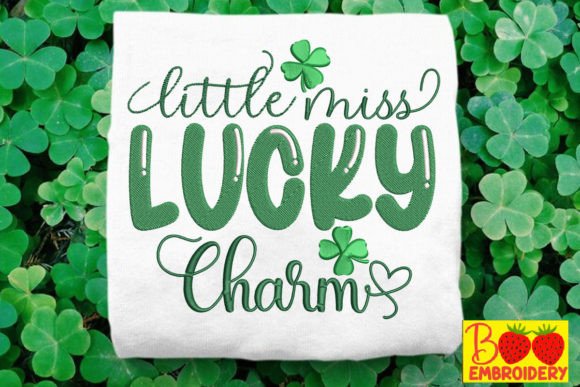
As an experienced embroidery designer preparing for a weekend craft fair, I recently came across the Little Miss Lucky Charm machine embroidery design. With its festive Saint Patrick’s Day theme and versatile application options, it stood out as a potential addition to my product lineup. Here's how I see this design fitting into real-world handmade and craft fair scenarios.
First Impressions of Little Miss Lucky Charm
The Little Miss Lucky Charm immediately feels cute and festive, with a playful charm that appeals to a wide range of customers. The design is not overly bold or minimal, but instead strikes a balance between decorative and approachable. It has a soft, whimsical quality that would fit well in a variety of handmade products, from small patches to large tote bags.
Performance on Various Craft Fair Products
When considering how Little Miss Lucky Charm performs on different items, I found it particularly well-suited for tote bags, aprons, tea towels, and embroidered patches. The design adds a touch of personality without overwhelming the fabric, making it ideal for both small shop products and commercial embroidery.
- Tote Bag Design: This design shines when placed on canvas or cotton tote bags, adding a festive touch that draws attention at a craft fair booth.
- Apron Embroidery: When applied to aprons, the Little Miss Lucky Charm becomes a charming focal point that makes the product more appealing to buyers.
- Tea Towel Embroidery: On kitchen textiles, the design maintains its clarity and visual appeal, especially when paired with thread colors that contrast well with the fabric.
- Embroidered Patch: As a standalone patch, the Little Miss Lucky Charm can be used as a gift item or added to other products like caps or pouches.
Practical Selling and Production Considerations
For Etsy sellers and craft fair sellers, the Little Miss Lucky Charm offers a good balance of visual appeal and production practicality. It is easy to understand at a glance, which is essential for attracting buyers quickly at a market. The design works well as both a small accent and a large focal design, giving you flexibility in product creation.
When photographing the Little Miss Lucky Charm for online listings, it photographs beautifully, especially when using printable mockups to showcase its versatility. For batch production, the design appears repeatable, though it's important to test stitch density and ensure proper stabilizer use to maintain quality across multiple pieces.
Careful-Use Notes for Embroidery Designers
While the Little Miss Lucky Charm is a great design, there are a few things to consider before using it in commercial products:
- Dense Stitch Areas: Be mindful of areas with high stitch density to avoid puckering or fabric damage.
- Tiny Details: If the design includes small details or lettering, ensure they remain clear even at smaller sizes.
- Thick Fabric: Test the design on thick fabrics like denim or felt to confirm it stitches well without distortion.
- Curved Surfaces: For curved surfaces like caps, ensure the design adapts well and doesn't lose shape.
- Dark Fabrics: Check thread contrast on dark fabrics to ensure visibility and vibrancy.
Impact on Visual Appeal and Customer Engagement
The Little Miss Lucky Charm enhances the visual appeal of any product it's applied to, helping to draw customer attention and increase the perceived value of handmade items. It also contributes to brand consistency if used across a line of products, creating a cohesive look that resonates with buyers.
At a craft fair, the Little Miss Lucky Charm can become a standout feature of your booth display, especially when showcased on samples like pillow covers, market bags, or handmade gifts. Its festive nature aligns well with seasonal events, making it a valuable craft fair product during Saint Patrick’s Day.
Embroidery Designer Tips Before Production
Before turning the Little Miss Lucky Charm into finished products, I recommend the following steps:
- Test the Design: Always test the digital embroidery file on scrap fabric to check stitch placement and overall appearance.
- Check Thread Contrast: Ensure thread colors work well with the intended fabric textures and colors.
- Review Spacing: Confirm that all elements of the design are spaced correctly for the chosen hoop size.
- Inspect Stitch Density: Adjust settings as needed to prevent over-stitching or under-stitching.
- Use the Right Stabilizer: Choose a stabilizer that complements the fabric texture to avoid warping.
- Create a Real Mockup: Make at least one real sample to evaluate how the finished product looks in person.
- Confirm Commercial Licensing: Ensure the embroidery file is properly licensed for commercial use before selling final products.
In conclusion, the Little Miss Lucky Charm is a versatile and visually appealing machine embroidery design that can enhance a wide range of handmade products. Whether used on tote bags, aprons, or embroidered patches, it brings a festive and charming element to any craft fair product. Just remember to test, adjust, and ensure quality before producing in bulk.